
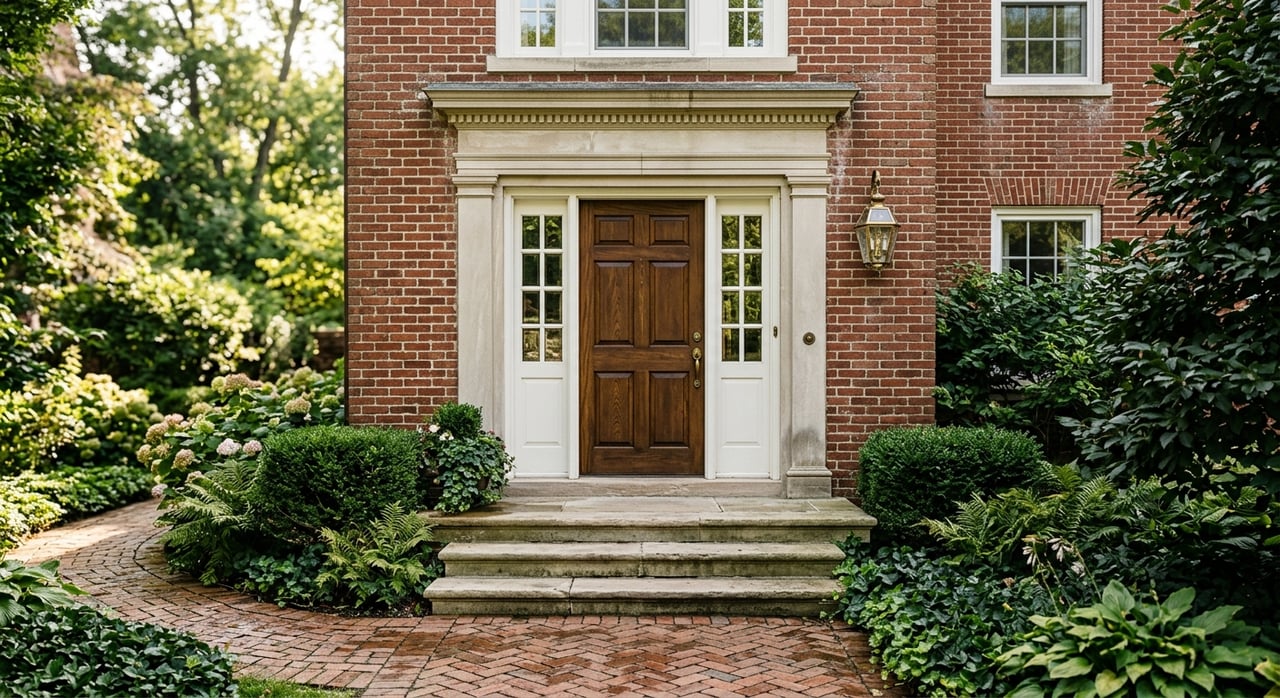
Dreaming about a historic home in Franklin Village? You are not alone. For many buyers, the appeal is easy to understand: timeless architecture, mature setting, and a streetscape shaped over generations instead of a single wave of development. If you are considering a purchase here, it helps to know how historic status, property condition, and renovation rules can affect your plans. Let’s dive in.
Why Franklin Feels Different
Franklin’s historic character is officially recognized in two ways. The village design guidelines note that Franklin has both a National Historic District and a Local Historic District, with the National Register listing dating to 1969 and the local district to 1971.
That matters because the historic core of the village includes homes from multiple architectural eras, not one uniform style. As you tour properties, you may notice that lot layout, porch design, rooflines, windows, and exterior materials often tell you as much about a home’s value and appeal as square footage does.
Franklin Architectural Styles to Know
If you are buying in Franklin Village, it helps to recognize the architectural cues you may see from one street to the next. The village guidelines identify several common styles found in the area.
Greek Revival Homes
These homes often feature low-pitched gabled or hipped roofs, wide cornice trim, and porches supported by columns. They tend to have a classic, formal appearance that stands out through simple but strong proportions.
Vernacular Homes
Vernacular houses are generally more modest in ornament. You will often see simple rectangular forms and practical porch arrangements that reflect function more than decoration.
Queen Anne Homes
Queen Anne homes usually feel more expressive and detailed. Look for steep, irregular rooflines, bay windows, asymmetrical facades, prominent porches, and in some cases towers.
Colonial Revival Homes
These homes often present a more balanced and symmetrical exterior. Common features include centered front doors and multi-pane double-hung windows.
American Foursquare Homes
American Foursquare houses are known for hipped roofs, wide eaves, large one-story entry porches, and entrances that may sit slightly off center. They often offer a practical layout with strong curb presence.
Craftsman Homes
Craftsman homes typically include low-pitched gabled roofs, dormers, exposed rafters, decorative brackets, and inviting porches. Their exterior details often highlight materials and workmanship.
What Historic Designation Means
One of the biggest points of confusion for buyers is the difference between a National Historic District and a Local Historic District. In simple terms, a National Register listing does not by itself place federal restrictions on what a private owner can do, while local rules may still apply.
In Franklin, the local ordinance is what carries real day-to-day impact for many owners. The Historic District Commission reviews plans for construction, additions, alterations, repairs, moving, excavation, or demolition of resources in the district.
The commission generally reviews exterior features, not interior work, unless interior changes visibly affect the exterior. It also reviews certain major open-space changes, including removal of large trees over 12 inches in diameter and major contour changes.
Before the building department can issue a permit, the commission must issue a Certificate of Appropriateness or a Notice to Proceed. For buyers, that means renovation ideas should be checked early, not after you close.
Confirm Historic Status Early
A key detail in Franklin is that the National and Local Historic District boundaries are similar, but not identical. You should not assume a property is or is not subject to local review based only on general location or listing language.
Instead, verify the parcel’s status early in your due diligence period. That one step can help you avoid surprises when budgeting for updates, planning an addition, or evaluating how much flexibility you will have with exterior changes.
How to Inspect an Older Franklin Home
A standard home inspection is important, but with a historic home, it is only the beginning. Franklin’s preservation guidance points buyers toward exterior systems and materials that deserve close attention.
Focus on Moisture and Drainage
The village guidelines repeatedly emphasize moisture control, drainage, and settlement. That makes grading, gutters, downspouts, and signs of water movement especially important when you walk the property.
Review Masonry and Chimneys Carefully
Older masonry can show deteriorated mortar, loose brick or stone, and wear tied to age and weather. Chimneys also deserve careful review because visible deterioration can signal both maintenance needs and future repair costs.
Check Roofs, Porches, and Exterior Walls
Roof life, porch structure, and the condition of exterior walls should all be part of your evaluation. These elements are central to both daily maintenance and the home’s historic character.
Look Closely at Windows
Franklin’s design guidelines state that historic windows should be preserved in their original location, size, design, and materials whenever possible, with repair preferred over replacement. If windows have been changed in the past, it is worth understanding whether the replacements are compatible and how that may affect future work.
Watch for Hidden Materials
Many older homes may contain materials that require extra care during renovation. Homes built before 1978 may contain lead-based paint, and older materials may also warrant asbestos evaluation if they are damaged or likely to be disturbed.
This becomes especially relevant if you are planning sanding, demolition, window replacement, or other invasive work. For a buyer, the practical takeaway is simple: factor environmental review into your planning before you begin any major updates.
Records to Request Before Closing
Paperwork matters when you buy a historic home in Franklin Village. Ask for records tied to permits, prior Certificates of Appropriateness, and documentation for exterior alterations.
This history helps you understand what work was approved, what materials may have been changed, and whether future projects could require correction or additional review. It can also give you a clearer picture of the home’s maintenance story, which is valuable for both ownership planning and eventual resale.
Renovation Expectations in Franklin
Many buyers fall in love with Franklin for its architectural character, then start thinking about how to make a home fit their lifestyle. That can absolutely be possible, but the village’s standards favor compatibility over wholesale change.
Additions Should Be Subordinate
The design guidelines say additions are generally expected to be subordinate and usually placed at the rear or on a less visible elevation. In practice, that means expansion may be possible, but the design approach matters.
Original Features Usually Matter
Porches and original windows are expected to be retained and repaired where possible. Demolition is treated as a last resort, and destructive paint-removal methods are discouraged.
Time and Budget Need Breathing Room
If you are comparing Franklin with a newer nearby suburb, this is one of the clearest differences. Historic ownership often calls for more documentation, more review, and more patience, so it makes sense to budget reserve funds and project timelines conservatively.
Are There Tax Credit Opportunities?
There may be a helpful incentive for some buyers planning qualified work. Michigan’s current state historic preservation tax credit includes owner-occupied residential projects in 2026, though the program is capped and separate from the federal credit.
To qualify, the property must be in the National Register, State Register, or a local historic district, and the work must meet the Secretary of the Interior’s Standards for Rehabilitation. The federal historic rehabilitation credit, by contrast, applies to certified historic structures in income-producing use and does not apply to a private owner-occupied residence.
Is a Historic Home Right for You?
Buying a historic home in Franklin Village can be deeply rewarding if you value authentic architecture, mature landscape features, and a protected village setting. It can also ask more of you as an owner, especially when it comes to planning, upkeep, and the approval process for exterior work.
The right purchase is usually not just about whether you love the home today. It is also about whether you are comfortable stewarding its character over time. If that balance feels appealing, Franklin can offer a distinctive ownership experience that is hard to replicate.
When you are weighing a character home, renovation potential, and long-term value, experienced local guidance can make the process much clearer. If you are considering a move in Franklin or anywhere nearby in Oakland County, connect with Cindy Kahn for a polished, concierge-level buying experience.
FAQs
What does local historic district status mean for a Franklin Village buyer?
- In Franklin, local historic district status means certain exterior work, additions, repairs, demolition, excavation, and some major open-space changes may require review by the Historic District Commission before permits are issued.
What should buyers inspect first in a Franklin historic home?
- Buyers should pay close attention to drainage, foundation and exterior wall condition, masonry, chimneys, roofs, porches, windows, and signs of incompatible past repairs or material replacements.
Do all Franklin Village historic homes have the same renovation rules?
- Not necessarily. Franklin’s National and Local Historic District boundaries are similar but not identical, so buyers should verify the specific parcel status early in the process.
Can you replace windows in a Franklin historic home?
- Franklin’s guidelines prefer preserving and repairing historic windows in their original location, size, design, and materials whenever possible, so window plans should be reviewed carefully.
Are there tax credits for restoring a historic home in Franklin Village?
- Michigan’s current state historic preservation tax credit includes owner-occupied residential projects in 2026, subject to program requirements, caps, and qualifying rehabilitation standards.