
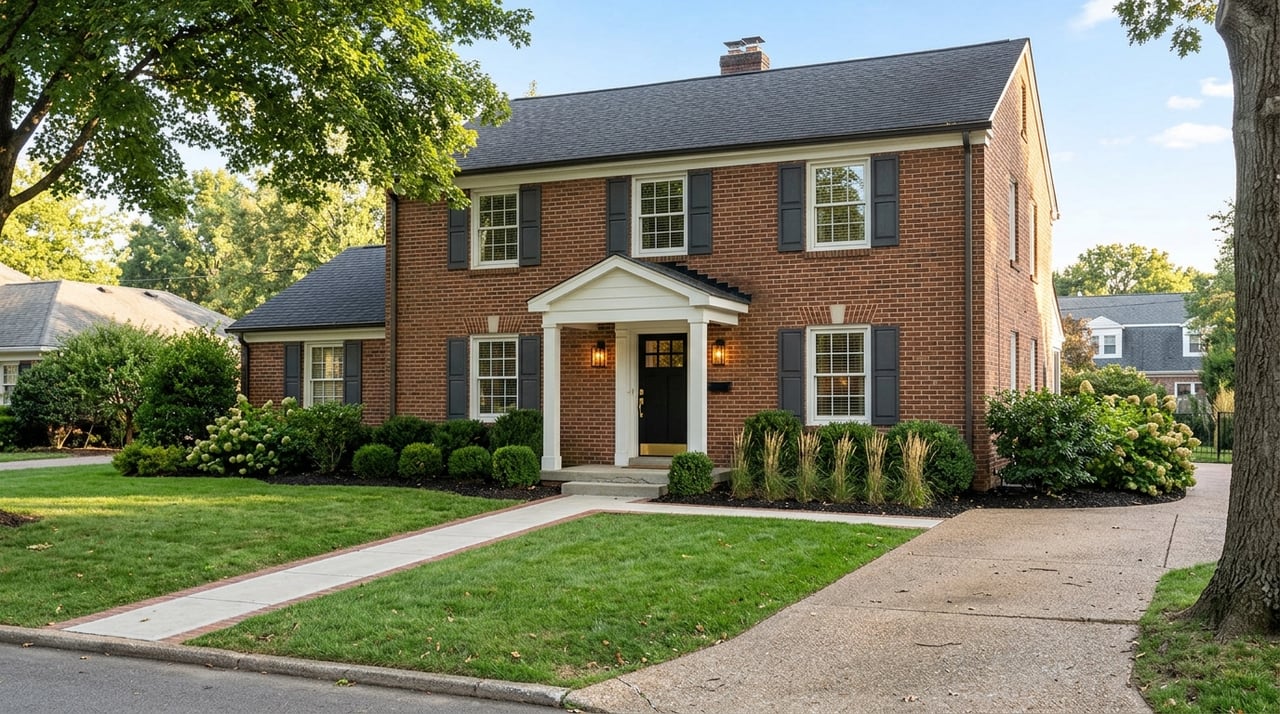
If you want a quieter everyday pace without feeling cut off from Birmingham-area conveniences, Bingham Farms and Beverly Hills deserve a closer look. Both villages offer a more residential rhythm, with tree-lined settings, established housing, and day-to-day living built around short drives rather than a busy downtown environment. If you are weighing where life might feel a little calmer, this guide will help you compare what daily living looks like in each village. Let’s dive in.
A quieter alternative near Birmingham
Bingham Farms and Beverly Hills both read as residential villages first. Beverly Hills describes itself as a primarily residential community with little commercial and no industrial zoning, while Bingham Farms describes a small, primarily residential village with nearly 500 single-family homes and condominiums.
That difference shapes the feel of everyday life. Instead of a dense commercial core, you get neighborhoods, mature trees, and a slower pace. For many buyers, that means a setting that feels more private and low-key while still keeping Birmingham and other nearby destinations within easy reach.
How the two villages differ
Beverly Hills is larger in both population and land area, but it still feels village-like. Current profile data shows about 10,524 residents across 4 square miles with 4,326 housing units.
Bingham Farms is much smaller and more intimate. Current profile data puts it at about 1,680 residents across 1.2 square miles with 483 housing units, which supports its reputation for privacy, wooded surroundings, and less through-traffic.
Bingham Farms at a glance
Bingham Farms sits east of Telegraph between 12 1/2 Mile and 14 Mile Road. The village describes itself as a small residential community with heavily treed lots, serene views, and a setting along the Franklin Branch of the Rouge River.
Its history also matters to the lifestyle today. The village notes that residents incorporated in 1955 to preserve a simple, rural character, and that intention still comes through in the wooded topography and residential feel.
Beverly Hills at a glance
Beverly Hills offers a broader neighborhood fabric while keeping a residential identity. Official village planning materials describe it as primarily residential, with natural areas, schools, and a more defined public park network.
That gives Beverly Hills a slightly different daily feel. It is still calm and suburban, but it has more public recreation spaces and community programming woven into village life.
Housing character and homeownership
Both villages are largely owner-occupied, which often appeals to buyers looking for long-term residential stability rather than a high-turnover rental environment. In Bingham Farms, the homeownership rate is 95.1%, and in Beverly Hills, it is 94.8%.
Home values also reflect established, generally upscale housing stock. The median owner-occupied home value is $580,500 in Bingham Farms and $511,000 in Beverly Hills, based on current ACS-profile figures.
What homes tend to feel like
In Bingham Farms, the strongest theme is privacy and natural setting. The village emphasizes wooded lots, wildlife, and a small residential footprint, with some condominiums alongside single-family homes.
In Beverly Hills, the experience is a bit broader and more neighborhood-oriented. You still find established residential streets and natural areas, but the village also supports a more visible system of parks and public gathering spaces.
Parks and outdoor living
If outdoor amenities are a priority, Beverly Hills has the clearest public park structure. Its recreation plan identifies Beverly Park as the village’s primary public recreation site, a 34.7-acre park on the south side of Beverly Road west of Southfield Road, with pedestrian access from Allerton Road as well.
The same plan also lists Riverside Park, Beverly Green, Douglas Evans Nature Preserve, Hidden Rivers Nature Preserve, and a pending addition on Wendbrook Lane. For everyday living, that gives residents several options for open space and recreation close to home.
Beverly Hills community events
Beverly Hills also stands out for village programming. Its recreation plan notes concerts, movie nights, a carnival, and family-fun events at Beverly Park.
That can be a meaningful lifestyle factor if you like having local events built into the calendar. It adds activity without changing the village’s overall residential character.
Bingham Farms and natural surroundings
Bingham Farms is less park-centric in its public-facing descriptions, but it leans strongly into its natural setting. The village highlights wooded lots, wildlife, and its location along the Franklin Branch of the Rouge River.
That creates a different kind of outdoor experience. Rather than being defined by a central park system, Bingham Farms feels more like a quiet residential enclave where nature is part of the backdrop of daily life.
Dining and daily conveniences
Neither village is best described as a destination dining district. The stronger lifestyle angle is convenience and neighborhood-scale access.
In Bingham Farms, the village specifically notes a Telegraph Road corridor that includes offices and eateries. That means practical day-to-day services are nearby, even though the village itself stays primarily residential.
Beverly Hills also has recognizable local anchors, including Beverly Hills Grill on Southfield Road. In both villages, the appeal is not constant commercial activity. It is having useful amenities nearby while keeping home life quieter and more residential.
What the commute feels like
Both villages are car-first, and that shapes how most residents move through the day. In Bingham Farms, 59.9% of workers drove alone to work in 2023, 35.2% worked from home, and the average commute time was 21.3 minutes.
In Beverly Hills, 64.1% drove alone, 29.5% worked from home, and the average commute time was 22.9 minutes. Those numbers suggest everyday life is generally organized around short drives and nearby employment centers rather than long commutes.
Practical takeaway for relocators
If you are relocating from a denser city or a farther-out suburb, these commute patterns may feel manageable. The official location details and travel data point to villages where daily routines revolve around arterial roads, quick errands, and easy access to surrounding communities.
That can be especially appealing if you want a home base that feels peaceful without adding a major travel burden to your week. It is suburban living, but not with an especially long average commute.
Which village may fit your lifestyle?
Choosing between Bingham Farms and Beverly Hills often comes down to what kind of quiet you want. Both are residential, established, and close to Birmingham-area amenities, but their personalities are not identical.
Bingham Farms may appeal more if you want a smaller-scale setting with a tucked-away feel. Beverly Hills may suit you if you want a similar residential pace with a larger park system and more visible village events.
Bingham Farms may be a fit if you want:
- A smaller village feel
- Heavily treed lots and natural surroundings
- A strong sense of privacy
- Easy access to Telegraph Road services and eateries
- A residential setting with some condominium options
Beverly Hills may be a fit if you want:
- A larger village with more neighborhood variety
- A defined public park network
- Village events and recreation programming
- A residential setting with nearby daily conveniences
- A calm pace with a broader community footprint
Why everyday feel matters in a home search
Square footage and finishes matter, but so does the rhythm of daily life. The way a neighborhood feels on a weekday morning, how easy it is to reach parks or errands, and whether home feels peaceful at the end of the day all shape how well a move works for you.
That is why villages like Bingham Farms and Beverly Hills continue to stand out. They offer a residential, owner-occupied character and a quieter pace, while staying connected to the broader Birmingham and Oakland County lifestyle many buyers want.
If you are considering a move in Birmingham’s surrounding villages, having local perspective can make the search much clearer. Cindy Kahn offers a thoughtful, concierge-level approach to helping buyers and sellers navigate Oakland County with confidence.
FAQs
What is everyday life like in Bingham Farms, Michigan?
- Everyday life in Bingham Farms is quiet, residential, and shaped by wooded lots, wildlife, and short drives to nearby services and eateries along Telegraph Road.
What is everyday life like in Beverly Hills, Michigan?
- Everyday life in Beverly Hills is primarily residential, with established neighborhoods, a defined park system, and village events such as concerts, movie nights, and seasonal family activities.
Is Bingham Farms quieter than Birmingham?
- Based on official village descriptions, Bingham Farms has a more residential and less commercially intense setting, which supports a quieter daily pace than a downtown-style environment.
Is Beverly Hills, Michigan, a walkable village?
- The research supports Beverly Hills as a car-first community, with daily life organized more around local roads and short drives than around transit or a walkable commercial core.
Are homes in Bingham Farms and Beverly Hills mostly owner-occupied?
- Yes. Current profile data shows a 95.1% homeownership rate in Bingham Farms and a 94.8% homeownership rate in Beverly Hills.
Which has more parks, Bingham Farms or Beverly Hills?
- Beverly Hills has the more clearly defined public park system, including Beverly Park, Riverside Park, Beverly Green, Douglas Evans Nature Preserve, and Hidden Rivers Nature Preserve.