
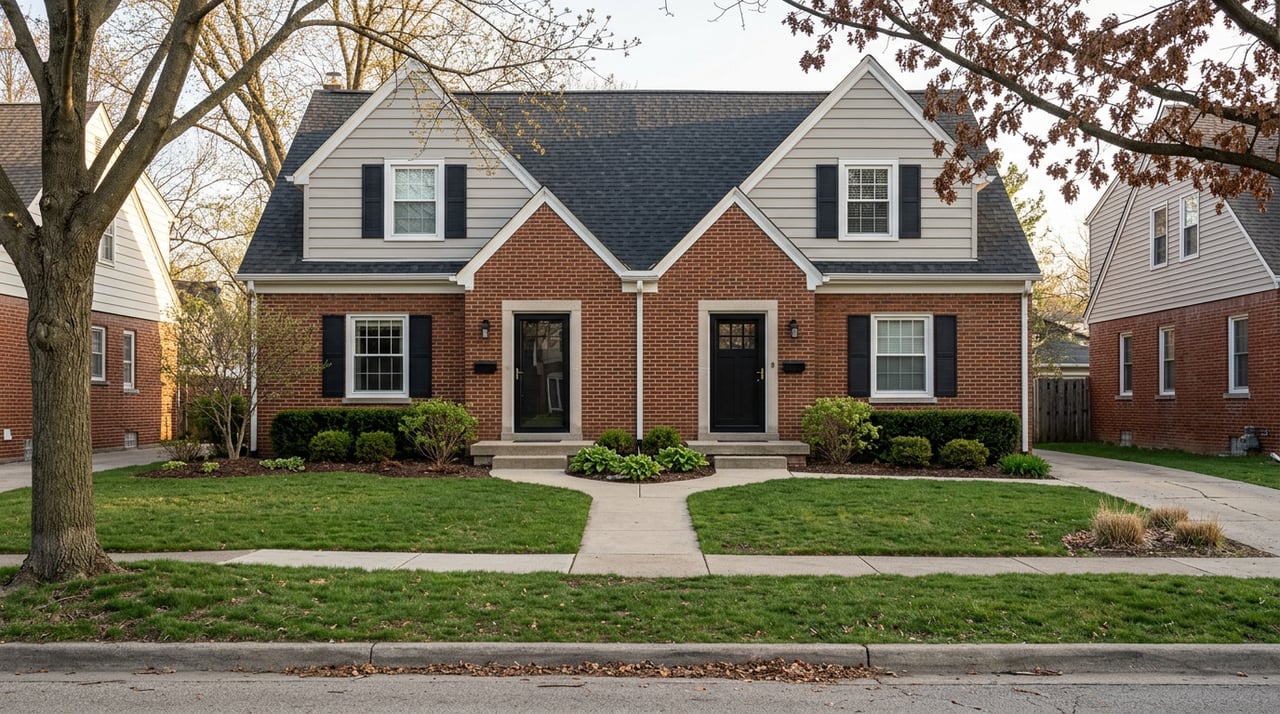
Is your first rental better in Royal Oak or Ferndale? Both cities sit in the heart of Oakland County and both draw strong renter demand, but they deliver different entry prices, yields, and day-to-day management considerations. If you are weighing cash flow, walkability, and regulatory ease for your first buy, a clear, side-by-side look can help you move with confidence.
In this guide, you will see recent price and rent signals, who rents in each city, how walkability affects returns, simple cap-rate math, key rules to know, and a practical checklist to underwrite your first deal. You will leave with a short list that points you toward the right city and the right property type for your goals. Let’s dive in.
Quick snapshot: both cities at a glance
Royal Oak and Ferndale share a central Oakland County location and steady renter demand. The differences show up in purchase price, yield potential, and inventory types.
Population and tenure
- Royal Oak: about 58,250 residents with roughly 68 percent owner-occupied housing and about 32 percent renter share, per the Census QuickFacts. Source: Royal Oak QuickFacts
- Ferndale: about 19,190 to 19,430 residents with approximately 66.6 percent owner-occupied and about 33 percent renter share, per the Census. Source: Ferndale QuickFacts
Price context
- Royal Oak: typical home value around $316,930 (Zillow ZHVI, Jan 2026). MLS medians have recently ranged near $339,250 to $362,500 depending on the series and month.
- Ferndale: typical home value around $241,620 (Zillow ZHVI, Jan 2026). MLS medians have recently ranged near $257,500 to $259,900.
Rent context
- Royal Oak: citywide averages from different vendors cluster around the mid $1,500s to low $2,000s, with 1-bedrooms often around $1,300 to $1,700 and 2-bedrooms around $1,900 to $2,500 depending on location and property type.
- Ferndale: vendor averages vary, with some series near the high $1,600s to low $2,100s, and premiums in the most walkable downtown blocks. RentCafe’s trend view for Ferndale shows a recent average near the low $2,100s, while other series report lower figures.
Bottom line: Royal Oak tends to cost more to buy. Ferndale often pencils stronger cap rates on similar assumptions. Your exact outcome will depend on block-level comps and the unit you choose.
Who rents here and why
Both cities attract young professionals and small households. Median ages sit around the high 30s, and average household sizes hover near 1.8 to 2.0 people. That mix supports strong demand for 1–2 bedroom rentals and smaller single-family homes. Census QuickFacts
Demand drivers look slightly different by city:
- Royal Oak: a lively Main Street dining scene and Beaumont Hospital support steady renter interest, especially within walkable pockets near downtown. Walkability and convenience often justify a rent premium.
- Ferndale: a compact, very walkable downtown and event-driven foot traffic appeal to renters who value nightlife, cafes, and quick access to services. Ferndale’s citywide Walk Score is strong and helps shorten vacancy in popular blocks. See Ferndale’s Walk Score.
What to buy first: duplex, condo, or SFR
You will find options in both markets, but inventory patterns matter for a first purchase.
Duplexes
- Ferndale: 2-unit buildings are a visible part of the rental supply in several neighborhoods, making duplexes a common first buy. Expect 1–2 bedroom layouts and manageable footprints.
- Royal Oak: duplexes exist but inventory is tighter and price-per-unit can be higher, so you will compete more for quality buildings.
Single-family rentals (SFR)
- Common in both cities. In Royal Oak, higher purchase price pushes yields lower on median numbers. In both cities, target homes near walkable nodes with off-street parking to support premium rents.
Condos and small attached units
- Most attractive near downtown corridors. These draw professional renters who prefer low maintenance. Always include HOA fees and rules in your underwriting because they change your net yield and may restrict leasing.
Pro tip: Confirm year built, unit count, and layout before you run comps. Then pull 3–5 local rent comps for your exact unit type and location. Tools like Rentometer’s local snapshots can help you sanity-check bedroom-level rent ranges.
Rents and the walkability premium
Across both cities, the highest rents concentrate near downtown blocks with strong walkability. In Royal Oak, 1-bedrooms often land around $1,300 to $1,700 and 2-bedrooms around $1,900 to $2,500, with properties two blocks from Main Street usually outpacing those five blocks away. In Ferndale, vendor averages vary, but the same rule applies: the closer you are to downtown amenities, the higher the rent and the shorter the vacancy. Rent trends for Ferndale show higher averages in professionally managed buildings, while smaller units often transact at lower medians.
Research consistently finds that walkability correlates with higher property values and rents. One oft-cited analysis by Joe Cortright for CEOs for Cities quantified value gains per Walk Score point in many U.S. markets, while academic work by Pivo and Fisher found similar patterns for apartments, office, and retail. You do not need a precise premium in your pro forma, but you should underwrite a range and let your comps lead. Summary of walkability research.
Simple underwriting: GRM and cap rate
Use a repeatable, quick model to compare options before you order inspections.
Key inputs per property:
- Purchase price
- Expected monthly rent per unit
- Expense ratio (property tax, insurance, repairs, management, utilities, vacancy)
- Financing terms if you plan to use leverage
Formulas you can use today:
- Gross annual rent = monthly rent × 12
- Gross Rent Multiplier (GRM) = purchase price ÷ gross annual rent
- Approximate NOI = gross annual rent × (1 − expense ratio)
- Approximate cap rate = NOI ÷ purchase price
Worked examples using recent medians from the research report:
Royal Oak example
- Purchase price: $362,500 (recent median)
- Median monthly rent: $2,150
- Gross annual rent: $25,800
- GRM: 14.1
- Cap rate scenarios
- 25 percent expenses → cap about 5.3 percent
- 35 percent expenses → cap about 4.6 percent
- 45 percent expenses → cap about 3.9 percent
Ferndale example
- Purchase price: $259,900 (recent median)
- Median monthly rent: $1,800
- Gross annual rent: $21,600
- GRM: 12.0
- Cap rate scenarios
- 25 percent expenses → cap about 6.2 percent
- 35 percent expenses → cap about 5.4 percent
- 45 percent expenses → cap about 4.6 percent
How to read this: Royal Oak often delivers higher rents but also higher purchase prices, which compresses unlevered cap rates on median numbers. Ferndale generally offers a lower entry price and a higher cap rate potential if you keep expenses tight and turn costs low.
Rules and fees to know before you buy
Both cities regulate rental housing and require registration and inspections. Build these into your year-one budget.
Rental registration and inspections
- Royal Oak requires rental registration and conducts inspections under its Property Maintenance Code. Check current fees and timelines. Royal Oak rental information
- Ferndale also requires rental registration and has an active inspection program.
Short-term rentals
- Ferndale has a formal short-term rental ordinance with annual registration, inspection, and limits. Review the city’s current rules if you plan furnished or flexible-term use. Ferndale short-term rental rules
- Royal Oak treats short-term rentals as regulated rentals and applies Good Neighbor policies. Confirm details with the city.
Michigan landlord-tenant rules
- Security deposits are capped under state law, and specific handling and return procedures apply. Review the Landlord & Tenant Relationships Act and ensure your lease includes required disclosures under the Truth in Renting Act. Michigan deposit statute
Property taxes
- Michigan property tax bills are based on taxable value and local millage rates. Headlee rollbacks and voter-approved levies can adjust rates year to year. For a specific parcel, confirm taxable value and effective mills with the local assessor before you finalize your numbers.
Due diligence checklist for your first deal
Use this short list to move from “looks good” to “underwritten.”
- Confirm the property type, unit count, and year built from assessor or MLS records.
- Pull 3–5 rent comps within a half mile for the same bedroom count and unit style. Use listing data and tools like Rentometer’s local view to cross-check.
- Verify city rental registration, inspection timing, and applicable fees. Plan for repairs flagged during inspection. Royal Oak rental info
- Request the seller’s utility bills, property tax history, insurance costs, recent capital improvements, and if applicable, HOA documents and fees.
- Underwrite with buffers: 6 to 8 percent vacancy, a 10 to 20 percent annual capital reserve for older stock, and year-one city fees.
- Map walkability and amenities to justify your rent assumptions. Use Walk Score and local listings to confirm block-level premiums. Ferndale Walk Score
Choosing between Royal Oak and Ferndale
Pick based on your top goal and the unit you can buy well.
Choose Royal Oak if you prioritize
- Strong walkable cores with deep renter pools
- Lower perceived downside risk and strong resale liquidity
- Professional renters who pay for convenience and amenities
Choose Ferndale if you prioritize
- Lower entry price and higher cap rate potential
- More visible duplex and small multi-unit opportunities
- A very walkable downtown that supports 1–2 bedroom demand
Both paths can work. Let neighborhood-level comps, city rules, and your operating plan guide the call.
Ready to take the next step
If you want a clear, local plan for your first purchase, we are here to help you source options, benchmark rents, and navigate city requirements with confidence. Start a conversation with the Cindy Kahn Team to plan your first investment with concierge-level guidance.
FAQs
What is the best first investment type in Royal Oak or Ferndale?
- For many first-time buyers, a small duplex or a modest single-family home near walkable amenities offers a balanced mix of rentability and manageable upkeep.
How much rent can a 2-bedroom get in Royal Oak?
- Citywide ranges often run about $1,900 to $2,500 depending on block, parking, and finishes; always verify with 3–5 nearby comps for your specific property.
Does Ferndale allow Airbnb or other short-term rentals?
- Yes, but it has a formal ordinance with registration, inspections, and limits, so review the current rules before you underwrite or purchase. Ferndale short-term rental rules
How do I estimate a cap rate quickly on a listing?
- Use cap = NOI ÷ price, where NOI is gross annual rent times 1 minus your expense ratio; test 25, 35, and 45 percent expense scenarios to see a range.
What rental inspections are required before leasing?
- Both cities require rental registration and inspections, which add fees and repair items; check timelines and costs with each city before closing. Royal Oak rental information
Is walkability really worth paying more for as an investor?
- Often yes, because walkable locations tend to command higher rents and shorter vacancy, as multiple studies have found; underwrite a premium supported by nearby comps. Walkability research summary