
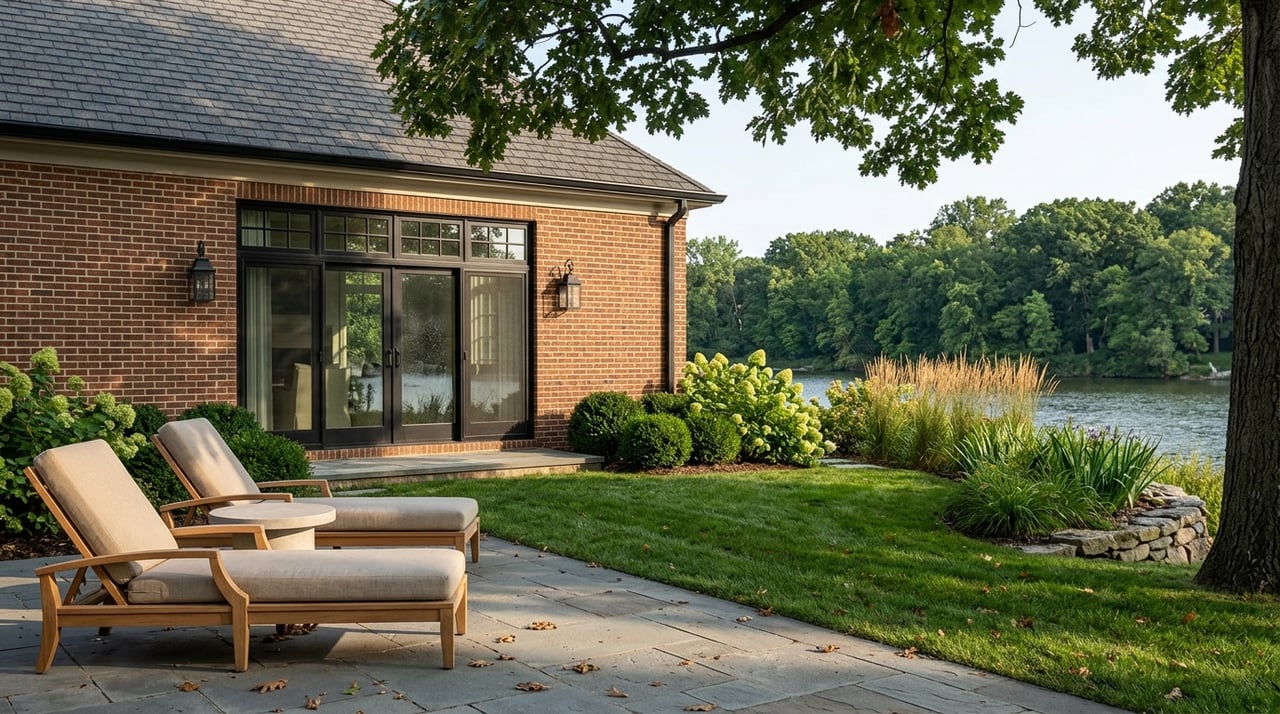
If you are selling a lakefront home in West Bloomfield, you are not just putting a house on the market. You are selling a lifestyle tied to water, views, outdoor living, and a location with unique rules and buyer questions. That can create a major advantage, but it also means your pricing, preparation, disclosures, and marketing need to be more thoughtful than a typical listing. Here is what you should know to position your property well and attract serious buyers from day one.
Why West Bloomfield lakefront homes stand out
West Bloomfield Township offers a rare waterfront setting in Oakland County. According to the township’s 2025 adopted budget, the community has 28 lakes, which is the most of any community in the county, and 22.5% of township land is designated as water, lakes, streams, and wetlands.
That local context matters when you sell. Buyers are often drawn to West Bloomfield for the daily experience of living near the water, not just for the interior features of the home. The township also reported a 2024 average home sale value of $581,080 and a median home value of $420,000, underscoring that this is a high-value residential market where presentation and strategy can make a meaningful difference.
West Bloomfield also has strong recreation assets that support the lifestyle story behind a lakefront property. West Bloomfield Parks oversees 12 parks and nearly 600 acres of public parkland, including Pine Lake Park, the West Bloomfield Trail, and West Bloomfield Woods Nature Preserve. When buyers consider your home, they may also be thinking about how the broader township supports outdoor living and time on the water.
Price the property as a waterfront asset
A lakefront home should not be positioned like a standard suburban listing. Waterfront value often depends on more than square footage and bedroom count. Buyers may look closely at water views, shoreline condition, dock setup, outdoor living areas, and the overall usability of the lot.
West Bloomfield’s master plan notes that many lakes have organized boards or associations that address lake-specific issues tied to property values. That means each lake can carry its own context, expectations, and buyer appeal. A strong pricing strategy should account for those lake-specific details rather than relying only on broad township averages.
According to the National Association of Realtors 2024 profile, sellers most want help with competitive pricing, marketing, finding a qualified buyer, and selling within a specific timeframe. For a West Bloomfield lakefront home, all four are closely connected. If the pricing is not aligned with the property’s waterfront strengths and responsibilities, the launch can lose momentum quickly.
Stage for the view first
When buyers shop for a lakefront home, they are often buying what they feel the moment they walk in and what they see the second they look out the windows. That is why staging should support the water, not compete with it.
The NAR 2025 staging report found that 83% of buyers’ agents said staging made it easier for buyers to visualize a property as a future home. The most commonly staged rooms were the living room, primary bedroom, and dining room, which often happen to be the rooms with the best lake views in waterfront homes.
For your home, this usually means:
- Clearing clutter near windows and glass doors
- Arranging furniture to highlight sightlines to the water
- Simplifying decor so outdoor views become a focal point
- Refreshing decks, patios, and seating areas
- Making the dock and shoreline look clean, safe, and ready for use
A buyer should be able to immediately understand how the home connects to the lake. If the outdoor spaces feel usable and inviting, the property will often photograph better and show better.
Make the first few listing photos count
Your online launch matters more than ever. NAR reports that listing photos are the most useful online feature for 81% of buyers, and the same guidance notes that 52% of buyers found the home they purchased online.
That is especially important for waterfront listings, where the first images can either stop a buyer mid-scroll or blend into the background. The opening photo sequence should show the features that make your property different, such as the lake view, shoreline, deck, dock, and outdoor seating areas.
A strong digital launch often includes:
- A lead image that immediately signals waterfront living
- Early photos of the deck, shoreline, and dock
- Interior shots that clearly connect rooms to the view
- Video or virtual tour elements that help buyers understand flow and setting
- Broad online exposure beyond a simple local-only approach
Because nearly half of buyers begin their search online, the first days on market carry outsized importance. A polished launch is not just a marketing extra. It is part of how you protect value.
Prepare for waterfront inspections and disclosures
Lakefront buyers tend to ask more detailed questions than other buyers, and many of those questions come up early. In addition to the home itself, they may want to understand the condition and history of the shoreline, drainage patterns, dock setup, and any signs of water-related wear.
Michigan’s home inspection guidance explains that inspections evaluate the physical condition, structure, construction, and mechanical systems of a home and help estimate the remaining useful life of major systems. For a lakefront property, it is wise to be prepared for buyers to also focus on visible erosion, retaining walls, shoreline protection, docks, and areas where water may affect the property.
Michigan’s Seller Disclosure Statement language makes clear that disclosures are based on the seller’s knowledge, are not a warranty, and are not a substitute for inspections. Still, complete and accurate disclosure is important. If you know about past seepage, flooding, erosion, seawall work, retaining wall issues, or dock and hoist repairs, those details should be handled carefully and clearly.
Understand permits before you list
Waterfront improvements often raise permit questions, and buyers may ask for documentation. In Michigan, the Department of Environment, Great Lakes, and Energy says a permit is required for a permanent dock or boat hoist on inland lakes or streams. A seasonal private non-commercial dock or boat hoist may not require a permit if it is removed at the end of the boating season and does not interfere with others’ use or water flow.
EGLE also notes that shoreline protection features such as seawalls, riprap, or bioengineering can require permits, and that bioengineering is a preferred best-management practice. In addition, projects within 500 feet of a lake or stream may require a local soil erosion permit.
Before your home hits the market, it helps to gather any available records related to:
- Dock or boat hoist installation
- Shoreline protection work
- Retaining walls or erosion-control improvements
- Aquatic plant or algae treatment history
- Other visible waterfront changes made during ownership
You do not need to guess or overstate anything. The goal is simply to be organized, transparent, and ready for due diligence.
Be ready for flood-zone questions
Even if your home has never had a problem, waterfront buyers often ask about flood maps and insurance early in the process. That is a reasonable part of due diligence, and it is better to address it proactively than let it create uncertainty later.
The official public source for this information is FEMA’s Flood Map Service Center. FEMA also notes that flood insurance may be needed even outside high-risk zones because standard homeowners insurance typically does not cover flood damage. For sellers, this makes flood-zone verification and an informed insurance conversation important parts of pre-listing preparation.
Explain lake rules and management clearly
Not every buyer understands how lake boards, associations, or lake-level oversight can affect ownership. In West Bloomfield, that information can matter because it may shape expectations around maintenance, use, and long-term property value.
The township master plan notes that many local lakes have organized boards or associations that address lake-specific issues tied to property values. Oakland County also publishes weekly lake-level reports for lakes with legally established levels, which can be part of the broader lake-management picture referenced in the research above.
If your property is connected to a lake board, association, or known lake-level structure, buyers will often appreciate clear information upfront. That can reduce friction and help qualified buyers feel more confident moving forward.
Use a broader marketing reach
A beautiful lakefront home may appeal to buyers who are not searching West Bloomfield every single day. Some may already know the area. Others may be looking broadly across Oakland County or relocating from another market and comparing lifestyle-driven properties online.
That is one reason a broader digital strategy matters. NAR’s 2024 seller profile shows that most sellers rely on an agent or broker for pricing, marketing, and finding qualified buyers. For a distinctive waterfront property, strong exposure can help you reach buyers who specifically want lake living, even if they are not starting with a narrow neighborhood search.
For sellers in West Bloomfield, the right plan often combines:
- Thoughtful pricing based on waterfront factors
- Professional photography focused on views and outdoor living
- Strategic image order and digital launch timing
- Clear preparation for permits, disclosures, and inspections
- Concierge-style coordination to keep the process organized
Selling a lakefront home often involves more moving parts, but it also offers more story to tell. When that story is presented clearly and professionally, your property has a better chance to stand out for the right reasons.
If you are preparing to sell a lakefront home in West Bloomfield, the right guidance can help you protect value, reduce surprises, and present your property with the care it deserves. The Cindy Kahn Team offers a high-touch, KahnCierge approach to pricing, staging coordination, marketing, and white-glove transaction management tailored to distinctive homes across Oakland County.
FAQs
What makes selling a lakefront home in West Bloomfield different from selling another home?
- Lakefront homes often involve added buyer questions about views, shoreline condition, docks, permits, flood zones, and lake-specific rules, so pricing, preparation, and marketing usually need a more tailored approach.
What should sellers disclose for a West Bloomfield waterfront property?
- Michigan’s seller disclosure process is based on your knowledge, so known issues such as seepage, prior flooding, erosion, retaining walls, seawalls, and dock or hoist condition should be addressed accurately and clearly.
Do docks and shoreline improvements in Michigan require permits?
- They can. EGLE says permanent docks or boat hoists on inland lakes generally require permits, while some seasonal private non-commercial docks may not, and shoreline protection work may also require approval.
Why are listing photos so important for a West Bloomfield lakefront home?
- NAR reports that listing photos are the most useful online feature for 81% of buyers, so strong photography and smart photo order can help your home stand out quickly online.
How can sellers check flood information for a lakefront home in West Bloomfield?
- FEMA’s Flood Map Service Center is the official public source for flood-hazard information, and it can help you start the flood-zone verification process before listing.
Should sellers provide information about lake boards or associations in West Bloomfield?
- Yes. If your lake has a board, association, or other management structure, sharing clear information early can help buyers better understand the property and move through due diligence with more confidence.