
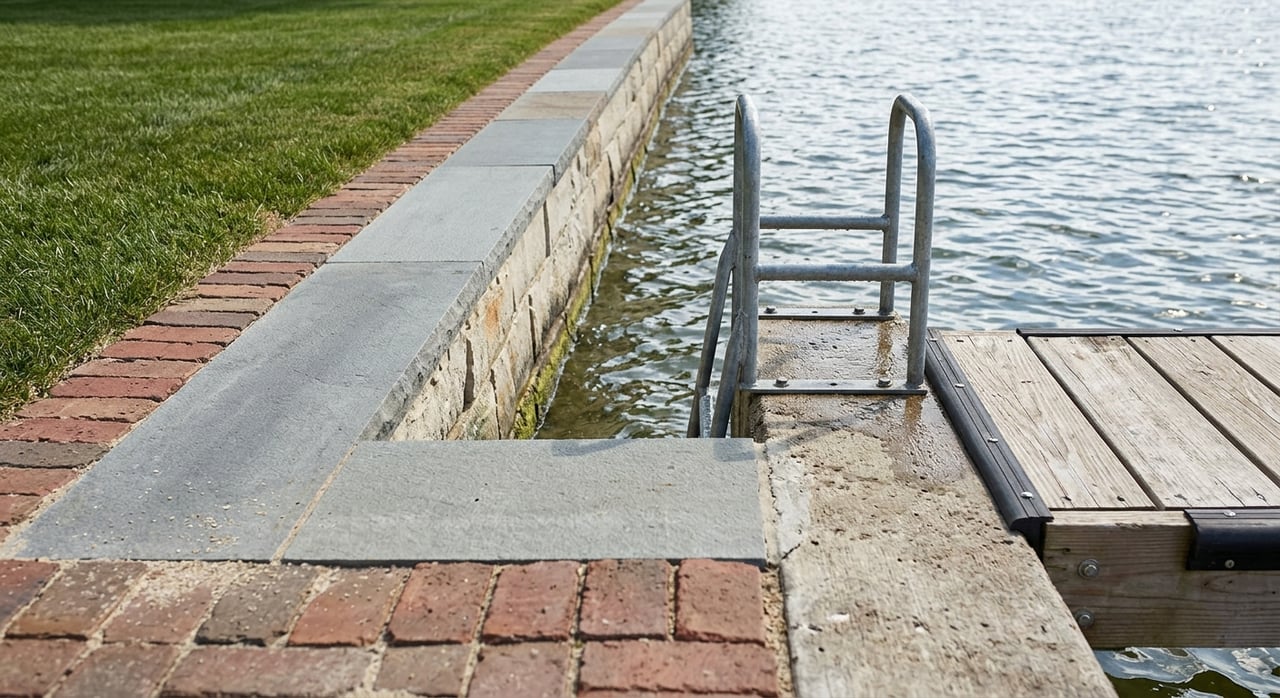
If lakefront living in Oakland County has been on your mind, it helps to look past the view and ask a more useful question: what does ownership actually require once the keys are in your hand? The answer is not meant to scare you away. It is meant to help you buy with clarity, budget wisely, and enjoy the lifestyle with fewer surprises. Let’s dive in.
Lakefront Ownership Is More Than a View
Oakland County is home to more than 1,400 lakes and numerous streams, which makes waterfront property a meaningful part of the local housing landscape. The county also notes that its Water Resources Commissioner participates in lake-level proceedings for 54 lakes with established normal levels, while the sheriff’s Marine Unit serves 452 lakes and 5 rivers across about 3,000 miles of shoreline.
That matters because lakefront ownership here is not a passive experience. When you own on the water, you are stepping into an ongoing relationship with shoreline conditions, water levels, boating activity, and local oversight.
What Changes After You Buy
A non-waterfront home may feel more straightforward from a maintenance standpoint. A lakefront property often adds another layer of planning, from seasonal dock logistics to shoreline wear and water-related repairs.
That does not make lakefront ownership less appealing. It simply means the lifestyle works best when you treat it as both a home purchase and an operating-budget decision.
Shoreline Care Comes With Real Costs
One of the biggest shifts after purchase is shoreline maintenance. Michigan EGLE says shoreline protection structures should only be used when needed and recommends natural shoreline treatments when appropriate.
If you are thinking about a dock, hoist, seawall work, or beach sanding, permits may come into play. EGLE notes that permanent year-round docks or boat hoists require permits, and beach sanding waterward of the ordinary high-water line also requires a permit.
In practical terms, that can mean recurring expenses for design help, materials, contractors, permits, and seasonal labor. Over time, shoreline care can become a regular line item in your ownership costs rather than an occasional project.
High Water Can Affect More Than the Shore
Michigan’s guidance on high water levels notes that flooding has affected homes, wells, septic systems, farms, and roads. It also explains that higher groundwater, stream flows, and lake levels can increase both the frequency and magnitude of flooding.
For you as a buyer, that means it is smart to plan for more than ordinary yard upkeep. Repair reserves for storm cleanup, shoreline wear, and water-related issues can be an important part of a realistic lakefront budget.
Boating Adds Ongoing Ownership Expenses
If your lakefront dream includes a boat at the dock, the carrying cost of ownership goes up. In Michigan, most watercraft must be registered and display a decal, and registrations expire on March 31 in the third year.
Depending on your age and the type of vessel, boating safety requirements may also apply. Michigan says boaters born on or after July 1, 1996 and most personal watercraft operators need a boating safety certificate.
You also need required equipment such as life jackets and fire extinguishers. Many owners add other gear as well, such as anchors, lights, or navigation aids, which can increase both upfront and ongoing costs.
Aquatic Plant Rules Are Part of the Routine
Boating on Oakland County lakes also comes with cleanup responsibilities. Michigan law requires boaters to remove aquatic plants, pull drain plugs, and drain water before trailering a vessel.
If invasive vegetation becomes a concern, management may involve more than DIY maintenance. EGLE’s Aquatic Nuisance Control program reviews permits for aquatic plant treatment and provides guidance on plant management, so some owners may face time costs, professional service costs, or permit-related expenses.
Shared Lake Costs Can Follow the Property
One of the most overlooked parts of lakefront ownership is shared lake governance. Oakland County says the most common method of lake management is through local homeowner associations, and the county also reports 46 Lake Improvement Boards.
These groups may address aquatic weed control, nuisance control, and education related to lake conditions. In some cases, the cost of maintaining the lake environment is not handled informally. It is organized and funded.
Special Assessments May Apply
Under state law, lake boards may create special assessment districts. Oakland County notes that these assessments may be payable in installments for up to 30 years.
That means your costs may include more than mortgage, taxes, and insurance. You may also be responsible for dues or assessments tied to the lake itself, whether for treatment, management, or related improvements.
Flood Status Should Be Checked Early
Flood risk is another area where lakefront homes differ from inland properties. FEMA’s Flood Map Service Center is the official public source for flood hazard information, and those maps are used to determine mandatory purchase requirements.
If a property is in a Special Flood Hazard Area and the mortgage is federally backed, flood insurance may be required. Because Oakland County’s high-water guidance also points to impacts on homes and utility systems, it makes sense to verify flood status and request an insurance quote early in your buying process.
Swimming Access Is Not Always the Same Everywhere
Many buyers assume that owning frontage means the water at their shoreline will always be ready for swimming. Oakland County’s beach program suggests a more careful approach.
The county monitors 251 beaches on 123 lakes, but it also says water quality at a private beach may not match conditions at a county-monitored beach elsewhere on the same lake. Contamination can begin onshore, which means one part of a lake may test differently from another.
Private Water Quality May Be Your Responsibility
For some homeowners, that means private testing becomes part of the ownership picture. Oakland County offers private sampling kits for qualifying residents, which is a helpful reminder that shoreline cleanliness and swimming safety can become part of your routine planning.
This is especially important if your goal is regular in-water use from your own property, not just a scenic view and occasional boating.
Lifestyle Trade-Offs Matter Too
The appeal of lakefront living is easy to understand. Daily access to the water, the rhythm of the seasons, and the sense of place can be hard to replicate in a non-waterfront setting.
Still, the trade-offs are real. Compared with many inland homes, waterfront ownership is more likely to involve permits, dock seasonality, lake-level concerns, boat maintenance, and shared oversight through associations or boards.
The activity level can be different too. Oakland County’s Marine Unit patrols lakes and rivers throughout the county, supports contracted patrols on 18 lakes, and runs seasonal patrols on high-traffic lakes.
For some buyers, that is a welcome sign of safety and structure. For others, it signals a busier recreational setting than a typical residential street.
Questions To Ask Before You Close
A strong lakefront purchase usually comes down to due diligence. Before you move forward, it helps to ask focused questions that connect lifestyle goals with ownership realities.
Consider asking:
- Is the lake part of a normal-level management system, and who maintains it?
- Is there a homeowner association, lake association, or Lake Improvement Board connected to the property?
- Are there current or pending special assessments?
- Are the dock, hoist, seawall, or beach improvements already permitted?
- Would future shoreline changes require EGLE review?
- Is the property in a FEMA flood zone, and what could flood insurance cost?
- If you plan to boat, what registration, safety certificate, and cleaning rules apply?
- If you plan to swim from your shoreline, do you want a private water-quality testing plan?
The Bottom Line for Oakland County Buyers
Lakefront ownership in Oakland County is best understood as a lifestyle purchase with a recurring operating budget. The water can bring daily enjoyment, but it may also bring shoreline care, boating obligations, insurance review, association or board costs, and occasional water-quality monitoring.
When you understand those moving parts before you buy, you are in a much stronger position to choose the right property and the right lake for your goals. That kind of clarity is especially valuable in a market where each shoreline, lake structure, and ownership setup can look a little different.
If you are weighing a waterfront purchase or preparing to position a lakefront home for sale, Cindy Kahn offers the local guidance and KahnCierge-level support to help you move forward with confidence.
FAQs
What does lakefront ownership in Oakland County usually cost beyond the mortgage?
- Lakefront ownership may include shoreline maintenance, dock or hoist expenses, permits, boating registration and gear, possible flood insurance, and association dues or special assessments tied to lake management.
Do Oakland County lakefront homes have different flood concerns than inland homes?
- Yes. Michigan guidance notes that high water can affect homes, wells, septic systems, and shoreline infrastructure, so buyers should verify flood-zone status and insurance requirements early.
Are docks and shoreline improvements on Michigan lakes always simple to change?
- No. EGLE says certain shoreline work, including permanent year-round docks or boat hoists and some beach sanding, may require permits.
Can a lake association or Lake Improvement Board affect an Oakland County property owner?
- Yes. Oakland County says lake management is often handled through homeowner associations and Lake Improvement Boards, and those groups may involve dues or special assessments.
Is water quality the same across an entire Oakland County lake?
- No. Oakland County says bacteria results from one beach do not necessarily reflect conditions at a private beach elsewhere on the same lake.
What should a buyer ask before purchasing a lakefront home in Oakland County?
- Ask about lake-level management, associations or boards, special assessments, permit history for docks and shoreline features, flood-zone status, boating rules, and whether private water testing makes sense for your intended use.